OUR RESEARCH / THE QUESTIONS THAT DRIVE US

What makes an antibody a good one?

The Antibody and Infection Immunology Lab (AII Lab) studies the molecular and cellular principles that determine whether antibody binding translates into effective immune protection.

THE BIG QUESTION 01

Understanding function, not just binding.

Antibodies are among the most important components of our immune system and some of our most successful therapeutic drugs. Yet binding a target is not enough. Two antibodies recognising very similar targets can differ dramatically in their ability to activate immune cells, promote phagocytosis and protect against disease.

We want to understand why.

Our research focuses on Infection Immunology and the mechanisms that determine antibody function. We investigate how antigen geometry, epitope location, antibody binding mode, isotype, Fc structure and flexibility, Fc receptor engagement, complement and the local biological environment come together to determine antibody function.

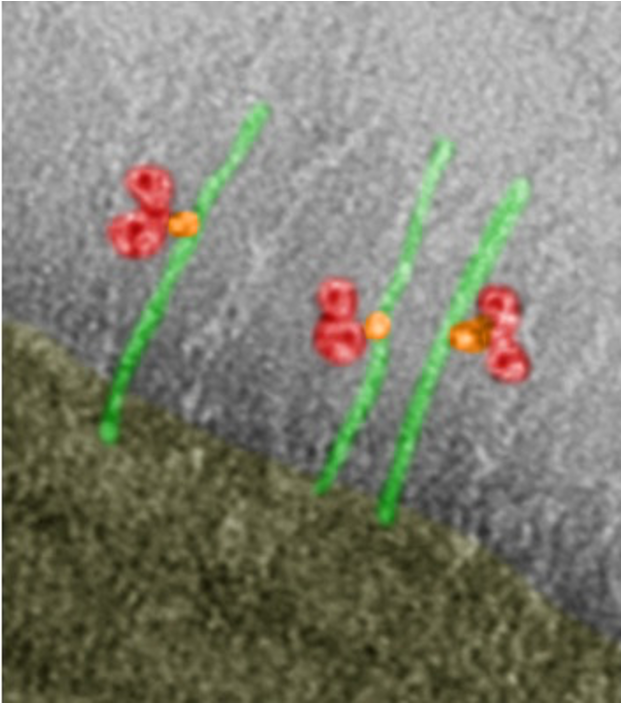
A central concept in our research is the phagocytic synapse, the molecular interface formed when an antibody-coated target encounters a phagocytic immune cell. We study how this interface is organized and how differences in antibody and target properties determine whether an immune response becomes effective.

We approach these questions through bacterial and viral infections, with particular expertise in Streptococcus pyogenes and coronavirus antibodies. Increasingly, we apply the same mechanistic principles to therapeutic antibodies in cancer.

Our research combines three closely connected areas:

THREE CONNECTED AREAS 02
Antibody function & infection immunology 01
RESEARCH FOCUS / 01

Antibody function & infection immunology

We study the mechanisms that determine Fc-mediated immune responses, particularly phagocytosis, and how pathogens and the surrounding biological environment influence antibody function.

Antibody discovery & engineering 02
RESEARCH FOCUS / 02

Antibody discovery & engineering

We discover and characterize monoclonal antibodies and engineer their structural and functional properties to improve immune effector functions and therapeutic potential.

Quantitative & data-driven biology 03
RESEARCH FOCUS / 03

Quantitative & data-driven biology

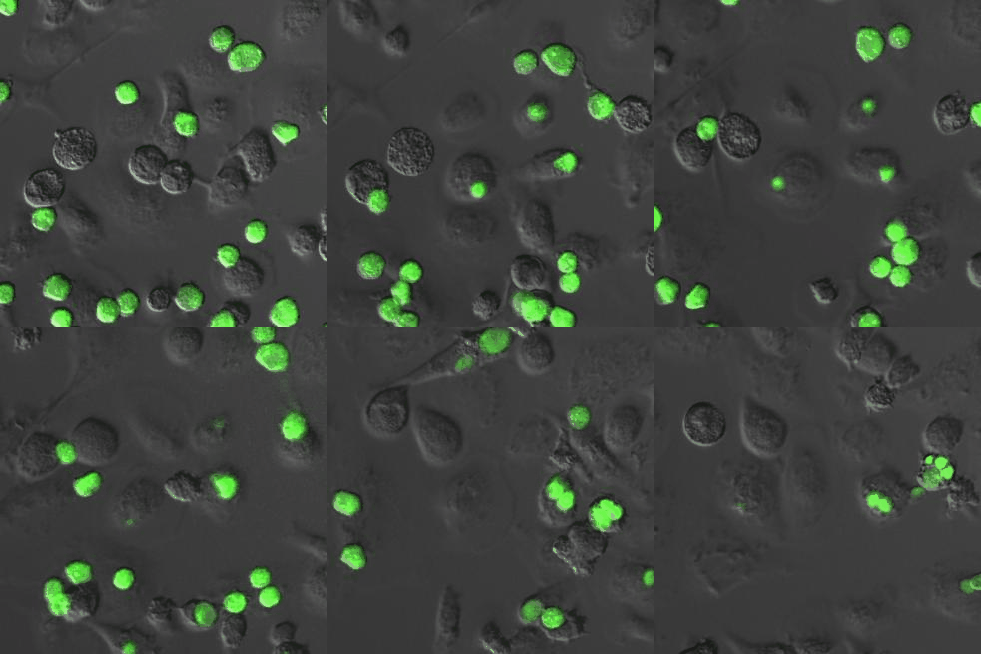
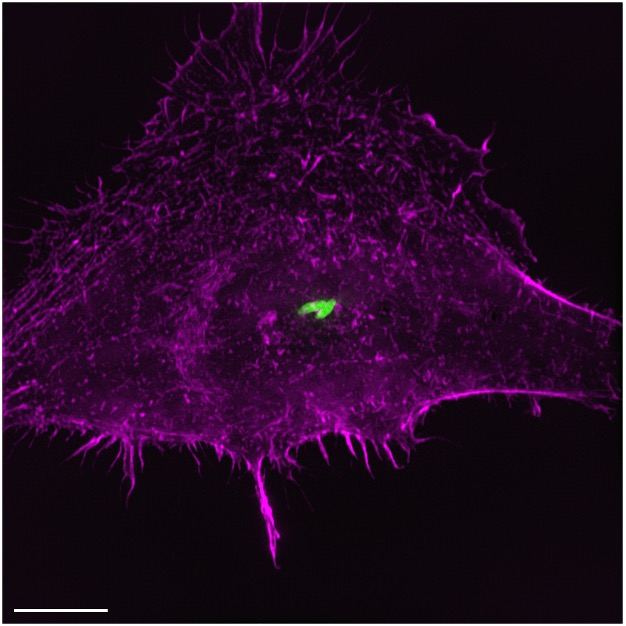
We develop and apply advanced microscopy, live-cell imaging, single-cell analysis and data-driven experimental approaches to measure immune interactions across scales.

Our long-term goal is to move from observing which antibodies work to understanding why they work, and to use those principles to design better antibody-based therapies against infection and cancer.

— RESEARCH STATEMENT · NORDENFELT LAB